The Complete Guide to Watchmaking Costs and Building a Career in Horology
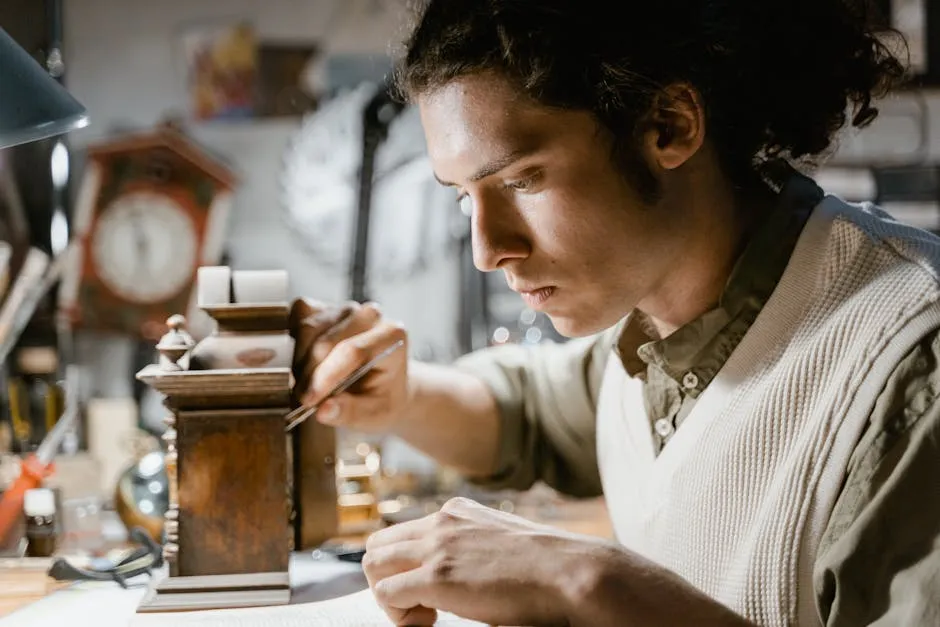
Starting a career in horology or pursuing watchmaking as a serious hobby requires a significant investment of both time and money. Understanding the costs involved and potential career paths can help aspiring horologists make informed decisions about their journey into this fascinating craft. Whether you’re considering formal education or self-directed learning, the financial commitment varies greatly depending on your chosen approach and career goals.
Educational Investment in Watchmaking
The foundation of any successful horological career begins with proper education. Traditional watchmaking schools offer comprehensive programs that typically cost between $15,000 to $40,000 for a complete course. These programs, such as those offered by the Lititz Watch Technicum in Pennsylvania or the North Seattle College Watch Technology Institute, provide structured learning environments with access to professional-grade equipment and experienced instructors.
However, formal education isn’t the only path. Many successful watchmakers have pursued alternative routes, including apprenticeships with established professionals or self-directed learning using essential watchmaking books and online resources. While this approach may reduce initial educational costs to under $2,000, it requires exceptional dedication and self-discipline to master the complex skills required.
Alternative Learning Resources
Self-taught watchmakers often rely heavily on educational content available through various channels. YouTube channels dedicated to watch repair provide invaluable visual instruction, while comprehensive reference materials offer detailed technical guidance. This approach allows for a more flexible learning schedule but may extend the time required to achieve professional competency.
Essential Tool Investment
Professional watchmaking requires specialized tools that represent a substantial initial investment. A basic starter kit for watch repair typically costs between $2,000 to $5,000, while a comprehensive professional setup can exceed $15,000. Understanding where to source quality watchmaking tools is crucial for managing these costs effectively.
Basic Tool Requirements
Essential tools for beginning watchmakers include precision screwdrivers, case opening tools, movement holders, loupes, and timing equipment. These foundational items allow for basic repair work and movement servicing. As skills develop, additional specialized tools become necessary for advanced procedures and specific watch types.
Advanced Equipment Costs
Professional watchmakers invest in sophisticated equipment including ultrasonic cleaners, professional timing machines, lathes for part fabrication, and specialized measurement instruments. These tools can individually cost thousands of dollars but are essential for establishing a legitimate repair business or working in high-end restoration.
Career Paths in Horology
The horological field offers diverse career opportunities, each with different earning potentials and requirements. Understanding these paths helps determine the appropriate level of investment for your specific goals.
Independent Watch Repair Business
Starting an independent repair shop requires the highest initial investment but offers the greatest long-term earning potential. Beyond tools and education, entrepreneurs must consider shop setup costs, insurance, licensing, and working capital. Total startup costs can range from $25,000 to $75,000, depending on location and scope of services offered.
Successful independent watchmakers can earn $50,000 to $150,000 annually, with specialists in luxury brands commanding higher rates. The investment in understanding mechanical watch fundamentals becomes crucial for building reputation and client trust.
Employment Opportunities
Working for established jewelry stores, watch manufacturers, or authorized service centers provides steady income with lower initial investment requirements. These positions typically provide tools and equipment, reducing personal financial commitment. Entry-level positions may start around $35,000 annually, with experienced technicians earning $60,000 or more.
Major watch manufacturers like Rolex and Omega offer specialized training programs for their service technicians, providing valuable credentials and career advancement opportunities. These programs often come with employment commitments but offer structured career progression.
Specialization Considerations
Different horological specializations require varying levels of investment and offer different return potentials. Vintage watch restoration, for example, demands extensive knowledge of historical movements and access to rare parts, while modern quartz repair requires different skills and equipment.
Luxury Brand Specialization
Becoming an authorized service provider for luxury brands requires significant investment in brand-specific training, tools, and certification processes. However, this specialization commands premium pricing and provides steady work flow from brand retailers and collectors.
Restoration and Conservation
Historical timepiece restoration represents a niche specialty requiring extensive knowledge of horological history and traditional techniques. While this field offers high hourly rates, it demands years of study and practice to achieve competency. Starting with beginner-friendly movements helps build the foundational skills necessary for advanced restoration work.
Return on Investment Timeline
Most aspiring watchmakers should expect a 3-5 year timeline before achieving full return on their educational and tool investments. This period includes initial learning, skill development, building reputation, and establishing client base. Understanding this timeline helps set realistic financial expectations and career planning.
The U.S. Bureau of Labor Statistics projects steady demand for watch repair services, particularly as vintage and mechanical watches maintain popularity among collectors and enthusiasts.
Managing Costs Effectively
Successful horologists often phase their investments over time, starting with essential tools and education before expanding capabilities. Building relationships with suppliers, joining professional organizations, and networking with established professionals can provide access to used equipment and mentorship opportunities that reduce overall costs.
Many watchmakers supplement their income during the learning phase by offering basic services while developing advanced skills. This approach helps offset educational costs while building practical experience and client relationships.
The investment in horological education and tools represents a significant financial commitment, but the craft offers unique satisfaction and diverse career opportunities. Success requires careful planning, realistic expectations, and dedication to continuous learning in this ever-evolving field. Whether pursuing traditional formal education or alternative learning paths, the key is matching your investment level to your specific career goals and timeline for return on investment.