Where to Buy Watchmaking Tools: A Complete Guide for Watch Repair Enthusiasts
Finding Quality Watchmaking Tools: Your Complete Purchasing Guide
Starting your journey in watch repair requires more than just enthusiasm and knowledge – you need the right tools. Whether you’re a beginner looking to service your first timepiece or an experienced hobbyist expanding your toolkit, knowing where to buy quality watchmaking tools can make the difference between successful repairs and costly mistakes. The watchmaking tool market offers everything from precision screwdrivers to complex timing machines, but navigating the various suppliers and quality levels requires careful consideration.
This comprehensive guide will help you understand the different sources for watchmaking tools, what to look for in suppliers, and how to balance quality with budget constraints. Before diving into tool purchasing, it’s helpful to understand the fundamentals of mechanical timepieces by reviewing visual guides to mechanical watch components, which will inform your tool selection decisions.
Specialized Watchmaking Tool Suppliers
Professional Horological Supply Companies
The gold standard for watchmaking tools comes from established horological supply companies that have served the industry for decades. These suppliers typically offer the highest quality tools, often manufactured by renowned Swiss and German companies. Bergeon, for example, has been producing precision watchmaking tools since 1791 and remains the preferred choice for professional watchmakers worldwide.
Professional suppliers offer several advantages: comprehensive catalogs with detailed specifications, technical support, and tools that meet industry standards. They often provide tool sets specifically designed for beginners, intermediate users, and professionals, making it easier to choose appropriate equipment for your skill level.
What to Expect from Premium Suppliers
When purchasing from specialized suppliers, expect to pay premium prices for superior quality. These tools are precision-manufactured with tight tolerances, ensuring they won’t damage delicate watch components. Many professional-grade tools come with warranties and replacement part availability, making them long-term investments.
Premium suppliers also offer specialized tools for specific watch brands or complications, such as Rolex case opening tools or chronograph service equipment. This specialization becomes important as you advance in your watchmaking skills and begin working on more complex timepieces.
Online Marketplaces and E-commerce Platforms
Benefits and Considerations
Online marketplaces like eBay, Amazon, and specialized horological forums offer vast selections of watchmaking tools at various price points. These platforms provide access to both new and vintage tools, often at significantly lower prices than traditional suppliers. However, quality can vary dramatically, and buyer protection becomes crucial.
When shopping online marketplaces, pay close attention to seller ratings, return policies, and detailed product descriptions. Many experienced watchmakers sell their excess tools through these channels, offering opportunities to acquire professional-grade equipment at reduced prices.
Identifying Quality Tools Online
Look for tools with clear brand markings, especially from recognized manufacturers like Bergeon, Horotec, or AF Swiss. Avoid tools with vague descriptions or obviously poor photography, as these often indicate lower quality products. Read reviews carefully, particularly those from verified purchasers who mention specific watch repair applications.
Consider the total cost including shipping, especially for international purchases where customs duties may apply. Sometimes the apparent savings disappear when all costs are calculated.
Budget-Friendly Tool Sources
Starting Your Collection Economically
Beginning watchmakers don’t need to purchase every tool immediately. Start with essential items like case opening tools, screwdrivers, and basic hand removers. Many suppliers offer starter kits that provide fundamental tools at reduced package prices.
Generic tool manufacturers produce acceptable quality equipment for basic watch maintenance tasks. While these tools may not have the precision or longevity of professional-grade equipment, they allow beginners to learn techniques without major financial investment. As your skills develop and you understand which tools you use most frequently, you can gradually upgrade to higher-quality versions.
Used and Vintage Tool Markets
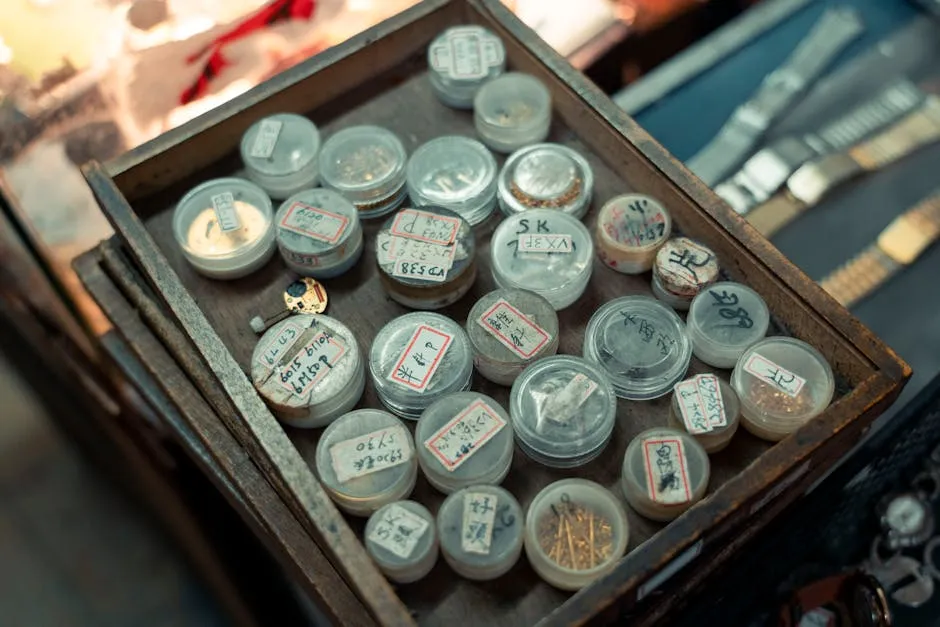
The vintage tool market offers excellent opportunities for acquiring quality equipment. Many older watchmaking tools were built to exceptionally high standards and remain perfectly functional decades after manufacture. Estate sales, watchmaker retirements, and collector disposals create opportunities to purchase professional-grade tools at substantial savings.
When buying vintage tools, inspect them carefully for wear, damage, or modifications that might affect performance. Some older tools may require restoration or sharpening, which should factor into your total cost calculations.
Regional and Local Options
Watchmaking Schools and Training Centers
Many watchmaking schools operate tool sales programs for students and the public. These institutions often negotiate educational discounts with major suppliers and pass savings along to buyers. Additionally, schools sometimes sell tools from their training programs when upgrading equipment.
Contacting local watchmaking schools can provide access to tool recommendations, bulk purchase opportunities, and connections with other local watchmakers who might sell equipment. The educational environment also offers opportunities to examine tools before purchasing and receive advice from instructors.
Local Watchmakers and Repair Shops
Establishing relationships with local professional watchmakers can open doors to tool purchasing opportunities. Many professionals upgrade their equipment periodically and sell their previous tools. This provides access to well-maintained, professional-grade equipment with known histories.
Local watchmakers can also provide valuable advice about which tools are essential for your intended work and which brands offer the best value for specific applications. Their experience can help you avoid purchasing unnecessary or poor-quality equipment.
Building Your Tool Knowledge Base
Before making significant tool purchases, invest time in education. Understanding watch mechanisms and repair procedures helps inform tool selection decisions. Resources like lubrication guides and educational video content provide context for how different tools are used in practice.
Consider starting with comprehensive watchmaking books that often include tool recommendations and usage instructions. This educational foundation helps you make informed purchasing decisions and avoid acquiring tools that won’t suit your specific needs or skill level.
Quality Indicators and Tool Selection Criteria
Recognizing Quality Construction
Quality watchmaking tools share certain characteristics regardless of their source. Look for precise manufacturing tolerances, appropriate materials for the intended use, and clear markings indicating size or specifications. Tool tips should be properly shaped and finished, with no visible defects or rough edges that could damage watch components.
Professional-grade tools often feature ergonomic designs that reduce hand fatigue during extended use. While this might seem unimportant for occasional hobbyist work, comfortable tools improve precision and reduce the likelihood of mistakes that could damage valuable timepieces.
Essential Tool Categories
Focus your initial purchases on fundamental tool categories: case opening equipment, precision screwdrivers, hand removal tools, and basic measuring devices. These tools handle the majority of routine watch maintenance tasks and provide the foundation for more advanced work.
As you gain experience, expand into specialized areas based on the types of watches you work on most frequently. Vintage watch enthusiasts might prioritize different tools than those focusing on modern sports watches or complications.
Remember that building a comprehensive tool collection is a gradual process. According to the American Watchmakers-Clockmakers Institute, professional watchmakers often spend years accumulating their complete tool sets, adding specialized equipment as their expertise and customer base expand.
Making Smart Purchasing Decisions
Successful tool purchasing requires balancing immediate needs with long-term goals, quality requirements with budget constraints, and generic versatility with specialized functionality. Start with quality basics from reputable sources, then expand your collection based on actual experience rather than perceived needs.
Consider joining watchmaking communities and forums where experienced practitioners share tool recommendations and purchasing advice. These communities often organize group purchases for expensive items, provide marketplace monitoring for good deals, and offer guidance on tool maintenance and restoration.
Whether you choose premium professional suppliers, online marketplaces, or local sources, remember that the best tools are those that help you perform quality work safely and efficiently. Your tool collection should grow with your skills and experience, supporting your journey in the fascinating world of watch repair and maintenance.