Movement Videos – The Intricacies of Watchmaking
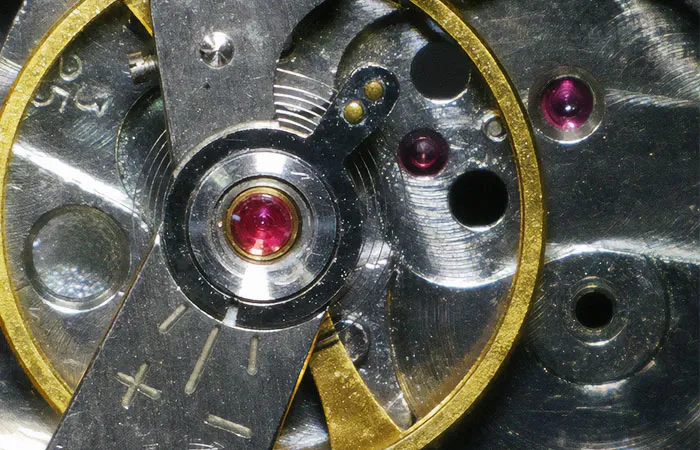
A few weeks ago, I finally decided to invest in a microscope with a built-in camera so I could start working on movements with a proper macro lens. Honestly, I’m annoyed I didn’t do this sooner. While a loupe is great in many situations, it just doesn’t offer the level of magnification I want.
The camera also lets me take photos and record video, so I can look back over time at all the different watches I’ve worked on. Below is some of the footage I’ve captured so far. There’s no real purpose to this video—just some beautiful-looking movements to enjoy.
This is a Seiko Lord Marvel from the 1970s. The movement was rusted and the mainspring was missing, which I assume is because it was used as a donor movement for another restoration. What really attracted me to this watch, though, was the dial.
Some people might hate it, but I love dials with wear, tear, and so-called patina. To me, it shows the watch has been genuinely loved and worn over its lifetime, and I find that history beautiful. In the case of this dial, it’s clear it has suffered some water damage - which is also evident in the movement itself. All the numbers on the dial have that distinctive greenish tint caused by oxidation of the metal, much like how the Statue of Liberty has turned green over time.
This is a video I recorded of my Seiko Champion, another vintage watch from either the late 1960s or 70s. In this case, I disassembled, cleaned, and reassembled the movement, but I ran into an issue where the watch kept stopping, which you can see in the video. I don’t yet have the knowledge or skillset to figure out exactly what the problem is, so if anyone has any suggestions, I’d love to hear them.
Here is just a close up of the ST36 Movement’s that i’ve been praciting on. I actually bought 4 of these movements so i can swap parts out and expand on my knowledge.
A nice shot of the escapement on this chinese movement.
The movement in one of my first manual chronograph.